Key Takeaways:
- Start with 40-grit Zirconia for uneven Victorian timber.
- Resin gap filling provides the most authentic finish for period properties.
- Always allow for moisture content testing in British humidity.
The Problem: Centuries of Wear on British Timber
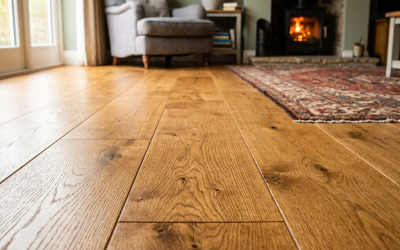
Victorian pine floorboards are a staple of British architectural heritage. However, after decades of being hidden under carpets or neglected, these timber surfaces often suffer from deep-seated grime, unevenness, and structural gaps. For many homeowners in the UK, the sight of draughty floorboards and splintered edges is a source of frustration. Not only does it affect the aesthetic appeal of a period home, but it also impacts thermal efficiency—a significant concern when considering rising energy costs and VAT on home improvements.
The Agitation: Why a Simple ‘Sand and Seal’ Isn’t Enough
Ignoring the specific needs of heritage timber can lead to disastrous results. Using low-quality equipment or the wrong grit sequence can ‘chew’ through the soft summerwood of pine, leaving deep scratches that even the thickest lacquer cannot hide. Furthermore, the issue of ‘tannin pull’ or improper moisture content assessment can cause your expensive finish to peel or discolour within months. Without professional Professional Floor Sanding techniques, you risk devaluing your heritage asset and incurring further costs for remedial work by specialists.
The Solution: A Specialist Approach to Heritage Restoration
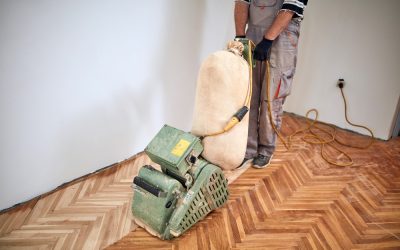
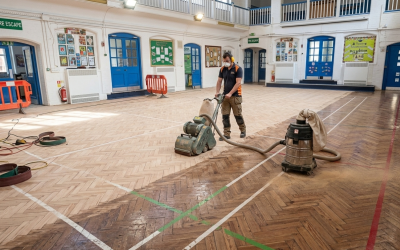
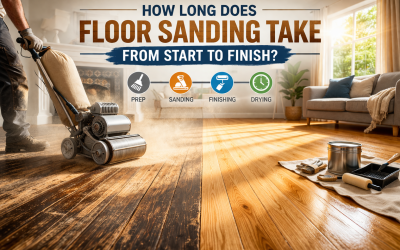
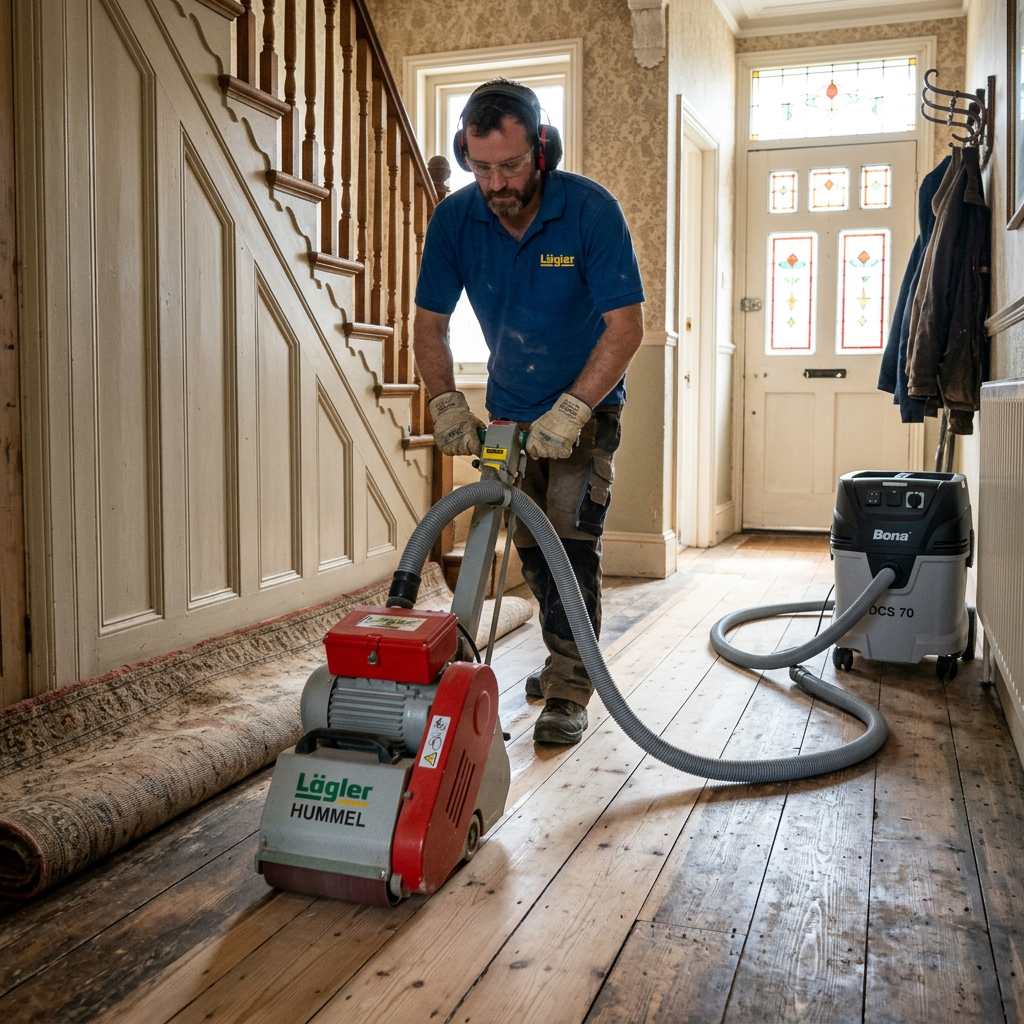
The restoration of Victorian pine requires a nuanced touch and industrial-grade machinery. At our specialist firm, we utilize the Lägler Hummel belt sander alongside Bona Dust Extractors to ensure a virtually dust-free environment. For the best results on uneven Victorian floorboards, our tradesmen typically follow a strict grit sequence:
- Initial Cut: 40-grit Zirconia to level the timber and remove old bitumen or paint.
- Refinement: 60-grit followed by 80-grit ceramic abrasives to smooth the grain.
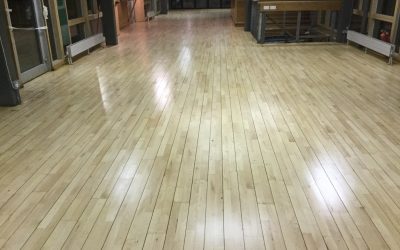
- Final Polish: 100 or 120-grit using a Bona Flexisand for a glass-like finish.
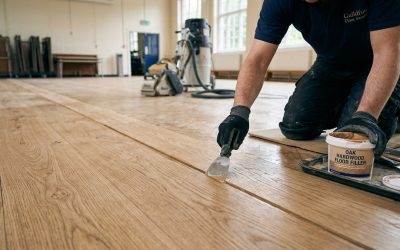
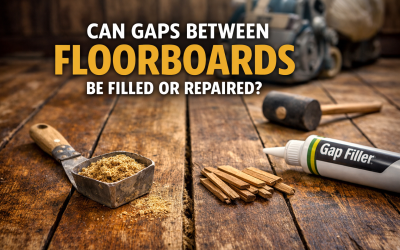
Pro-Tip: When dealing with gaps, we recommend a resin-mix gap filler using the actual sawdust from the 80-grit stage. This ensures a perfect colour match that moves with the timber. For finishing, Osmo Hardwax Oil is often preferred in traditional settings as it allows the wood to breathe, though Bona Traffic HD offers superior protection for high-traffic hallways. For more on specific finishes, see our guide on Bona Professional Solutions.
Restoring your floorboards is not just a maintenance task; it’s an investment in the longevity of your home. By addressing moisture content and using premium products, we ensure your floors remain a stunning feature for generations.