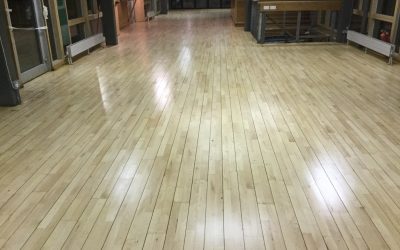
Can Gaps Between Floorboards Be Filled or Repaired in South West London?
If you have draughty timber floors, visible cracks between boards, or a floor that looks tired and uneven, the good news is that many gaps can be filled or repaired rather than forcing you into a full replacement. For homeowners looking for expert South West London floor sanding, the right repair approach depends on the width of the gaps, the age of the floor, how much seasonal movement the boards still have, and what finish you want once the work is done. The company behind this site offers wood floor repair, restoration, staining, and refinishing, and specifically lists several gap-filling options on its live pricing page.
In many South West London homes, especially Victorian and Edwardian properties, floorboards naturally expand and contract with changes in indoor temperature and humidity. That means some narrow gaps are cosmetic, some are a sign of movement, and some need proper structural repair. A specialist wood floor sanding service in South West London will assess whether the gaps should be filled with resin, repaired with timber slivers, treated with a flexible sealant, or left alone because movement is still too active. Bona and Osmo both publish professional filler and gap-sealing systems designed for timber floors, but they are used in different situations and widths.
The Short Answer: Yes, Many Floorboard Gaps Can Be Filled or Repaired
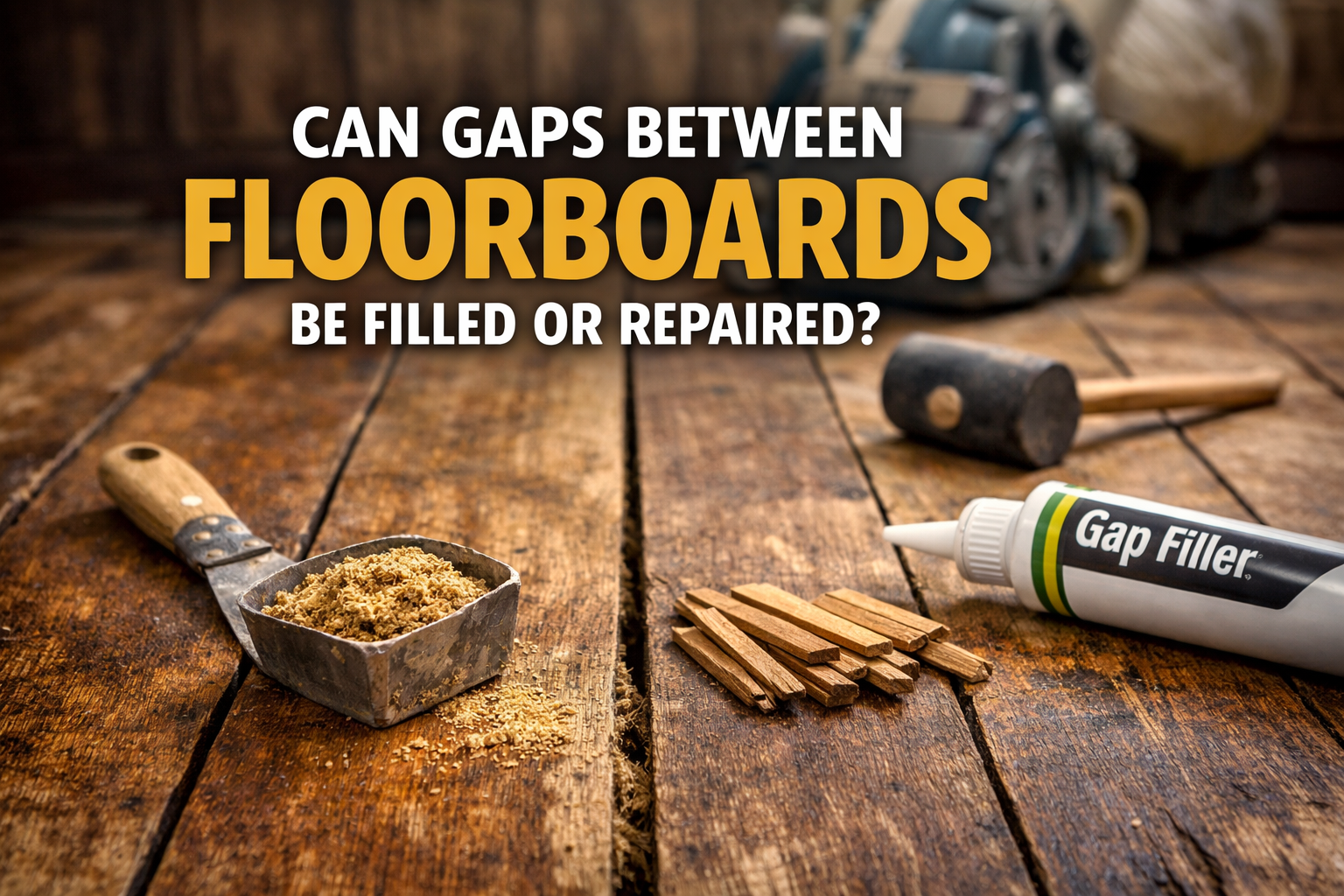
The simple answer is yes, but not every gap should be treated the same way. Small hairline spaces between boards are often filled during floor restoration. Wider gaps usually need a more robust method. Very large or unstable gaps may require repair work first, such as re-fixing loose boards, replacing damaged sections, or inserting matching timber strips. That is why experienced tradesmen do not treat “gap filling” as one single job. They match the repair method to the condition of the floor. This South West London company explicitly lists three gap-filling approaches: sawdust and resin for gaps up to 3mm, reclaimed pine slivers for wider gaps, and a flexible gap-filling option for wider gaps up to 9mm.
That matters because the wrong filler can fail quickly. A hard filler used in a moving floor may crack or break away. A flexible filler used where a structural timber repair is needed may only disguise the real issue. Bona describes Gap Master as a permanently elastic acrylic-based mastic suited to gaps near skirting boards and thresholds and also for filling cracks and gaps in wood floors. Osmo’s Gap Sealer is similarly described as a flexible acrylic-based interior sealant for splits, gaps, joints and wood flooring details. (Bona)
Why Do Gaps Appear Between Floorboards?
Gaps do not appear for just one reason. In South West London properties, common causes include:
Seasonal movement
Timber is hygroscopic, which means it takes in and releases moisture. When boards dry out, they shrink. When moisture levels rise, they expand again. Older suspended timber floors often show this more clearly than modern engineered flooring. Professional floor specialists therefore judge whether the gaps are stable enough to fill permanently or whether the boards are likely to keep moving too much. (osmouk.com)
Age and wear
Older floorboards can loosen over decades. Fixings work free, edges chip, and repeated sanding can expose uneven joints. On period floors, some spacing is normal, but wider or irregular gaps often need a more thoughtful repair than a quick filler pass. The site itself highlights repair of damaged timber, filling missing areas with matching boards or blocks, and sanding back to bare wood before refinishing.
Previous poor repairs
Many floors have already been “patched” at some point with unsuitable fillers. When that happens, the repair may crumble, discolour, or sit proud of the boards. A proper restoration usually involves removing failed filler, preparing the floor correctly, and using a repair method that suits the current condition of the boards and subfloor. Bona’s wood floor filler guidance also distinguishes between products for spot filling, full-trowel filling, and flexible movement zones. (Bona)
Which Gap-Filling Method Is Best?
1. Sawdust and resin for fine gaps
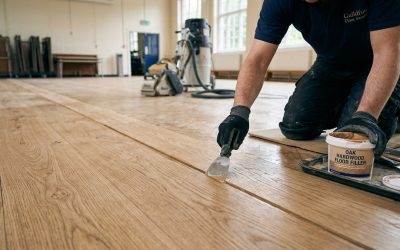
This is one of the most common methods during sanding and restoration. Fine sanding dust from your own floor is mixed with resin to create a colour-matched filler that works well in narrow gaps and small surface imperfections. It can help the finished floor look cleaner, neater and more uniform. On the South West London Floor Sanding pricing page, this is listed for gaps up to 3mm.
This method is usually best when:
- the gaps are narrow
- the floor is reasonably stable
- you want a tidy, subtle appearance after sanding
- the filler needs to blend with the tone of the original timber
It is not always the right choice for wider or highly active gaps because rigid fillers can break up where movement remains too strong. Bona’s professional filler guidance for hardwood floors also notes that deeper cracks and larger holes may need repeated filling or a different system depending on floor condition. (Bona)
2. Timber slivers for wider gaps
When the gaps are wider, timber slivers are often the better long-term solution. These are slender strips of wood inserted into the gap, bonded in place, trimmed flush, then sanded with the rest of the floor. The South West London pricing page specifically lists reclaimed pine slivers for gaps wider than 3mm, which is exactly the sort of traditional repair many period softwood floors need.
This approach is often preferred when:
- the floorboards are old pine or similar softwood
- the gaps are visibly wide
- you want a more authentic repair
- the floor needs visual and practical improvement rather than a cosmetic skim
Timber slivers often produce a stronger and more natural-looking repair than simply trying to force filler into a large void. On heritage-style domestic floors, they can look far more in keeping with the original boards once sanded and finished properly.
3. Flexible gap fillers for movement zones
Some floors still move enough that a flexible product is the smarter choice, especially at edges, thresholds, skirting lines, or where boards expand and contract more noticeably. This site lists a flexible gap-filling option for wider gaps up to 9mm. Bona Gap Master and Osmo Gap Sealer are both positioned as flexible, acrylic-based products intended for joints and gaps where some movement tolerance is needed. Bona’s technical sheet states up to 15% movement tolerance for Gap Master, while Osmo gives joint-width guidance and notes that the product is not for areas permanently exposed to water.
This is a strong option when:
- movement is still expected
- the gap is at the perimeter or junction
- you need a neat seal rather than a timber insert
- you want to reduce draughts and improve appearance without over-rigid repair
When Gaps Should Be Repaired Rather Than Filled
Not every floor just needs filler. Sometimes the gaps are really a symptom of a bigger problem. If boards are loose, broken, worm-damaged, uneven, or poorly supported, a specialist should repair the floor first. That may include re-fixing boards, replacing sections with matching timber, checking the subfloor, and only then deciding how to deal with the visible spaces. The homepage for this business specifically highlights repairing damaged timber and filling missing areas with matching boards or blocks as part of its complete service.
That is especially true if you notice:
- movement underfoot
- squeaks and bounce
- cracked board edges
- missing sections
- repeated filler failure
- large draughts coming through the floor
In these cases, the best result usually comes from combining repair + sanding + finishing, not from applying filler alone. That creates a more stable, cleaner and longer-lasting outcome.
What Happens During Professional Gap Repair?
A proper floorboard gap repair job normally follows a sequence like this:
Inspection
The tradesmen check board condition, width of gaps, movement, previous repairs, moisture-related issues, and whether the floor is suitable for sanding and filling. This site presents itself as an established specialist with experience across solid boards, engineered boards, parquet and herringbone blocks in homes, shops, offices, schools and restaurants.
Preparation
Nails or fixings are dealt with, damaged timber is repaired, and failed old filler is removed where necessary. Loose sections are stabilised before cosmetic work begins.
Filling or slivering
The chosen method is applied according to gap width and floor movement. Narrow gaps may be resin-filled. Wider gaps may receive pine slivers. Edge or movement areas may need flexible filling instead.
Sanding
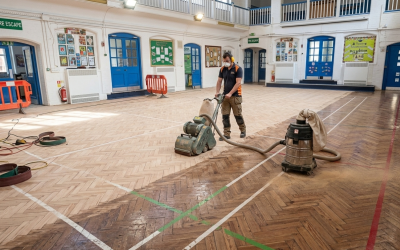
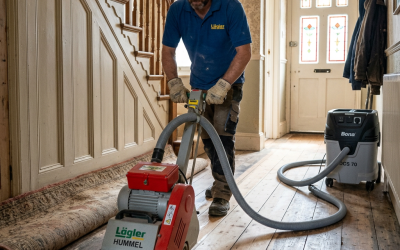
Once repairs are sound, the whole floor is sanded to create an even surface and clean finish. The company states it uses 99% dust-free cylinder sanding machines, which helps reduce mess during restoration.
Finishing
The floor is then protected with lacquer, hardwax oil, or other appropriate finishes. The site’s service description mentions refinishing with natural oil, hard wax, or lacquer, while Osmo’s floor guidance explains that hardwax oil is designed to protect floors from dirt and moisture while retaining a more natural wood appearance.
How Much Does Gap Filling Cost in South West London?
Current website pricing gives a useful starting point for homeowners comparing options. South West London Floor Sanding lists:
- Gap Filling 1: £8.00 per m² for sawdust + resin for gaps up to 3mm
- Gap Filling 2: £14.00 per m² per coat for reclaimed pine slivers for gaps wider than 3mm
- Gap Filling 3: from £30.00 per m² for flexible gap filling for wider gaps up to 9mm
- Cosmetic Gap Filling: from £3.00 per m² for small cracks, cuts and nail holes
Those prices make one thing clear: there is a big difference between light cosmetic filling and proper wide-gap repair. The more complex the repair, the more labour and skill it needs. That is why homeowners should be cautious about one-size-fits-all quotes. A floor with stable narrow gaps is a different job from a draughty Victorian pine floor with visible movement across the boards.
Is It Worth Filling Gaps Between Floorboards?
In many cases, yes. The benefits often include:
- a neater, more finished appearance
- reduced draughts
- less visible dirt trapping between boards
- better support for a high-quality refinishing result
- a floor that feels more cared for and more in keeping with the rest of the room
That said, the goal should not be to make an old timber floor look unnaturally plastic or over-filled. Good repair work respects the character of the boards while improving the floor’s comfort and finish. This is particularly important in South West London homes where original timber floors are often part of the property’s appeal.
Related Reading for Internal Linking
For your WordPress post, these are the three live blog URLs currently on the site that fit naturally as contextual internal links:
- If your gaps sit within a patterned floor, link parquet floor sanding where you discuss block repairs and pattern-sensitive restoration. (South West London Floor Sanding)
- If the floor also needs a full finish refresh after repair, link hardwood floor refinishing where you discuss coating and protection. (South West London Floor Sanding)
- If you want a broader supporting article on process and expectations, link wood floor sanding within sections about sanding stages and restoration planning.
Final Thoughts
So, can gaps between floorboards be filled or repaired? In most cases, yes. But the best results come from choosing the right method for the floor in front of you. Fine gaps may suit resin filling. Wider spaces may need reclaimed timber slivers. Movement-prone areas may need a flexible filler. And if the boards are damaged or unstable, repair work should come first. The company behind South West London Floor Sanding already publishes multiple gap-repair options, offers repair and refinishing as part of its service, and positions itself as an established local specialist with dust-controlled sanding and a full restoration approach.
If you want the best visual result, the best approach is not simply “fill the gaps”. It is to assess the floor properly, repair what needs repairing, sand it correctly, and finish it with a durable system that suits how you live. That is what turns a draughty, tired timber floor into one that feels solid, smart and ready for years more use. For product-level reference on flexible timber floor gap repair, a useful external source is Bona Gap Master. (Bona)