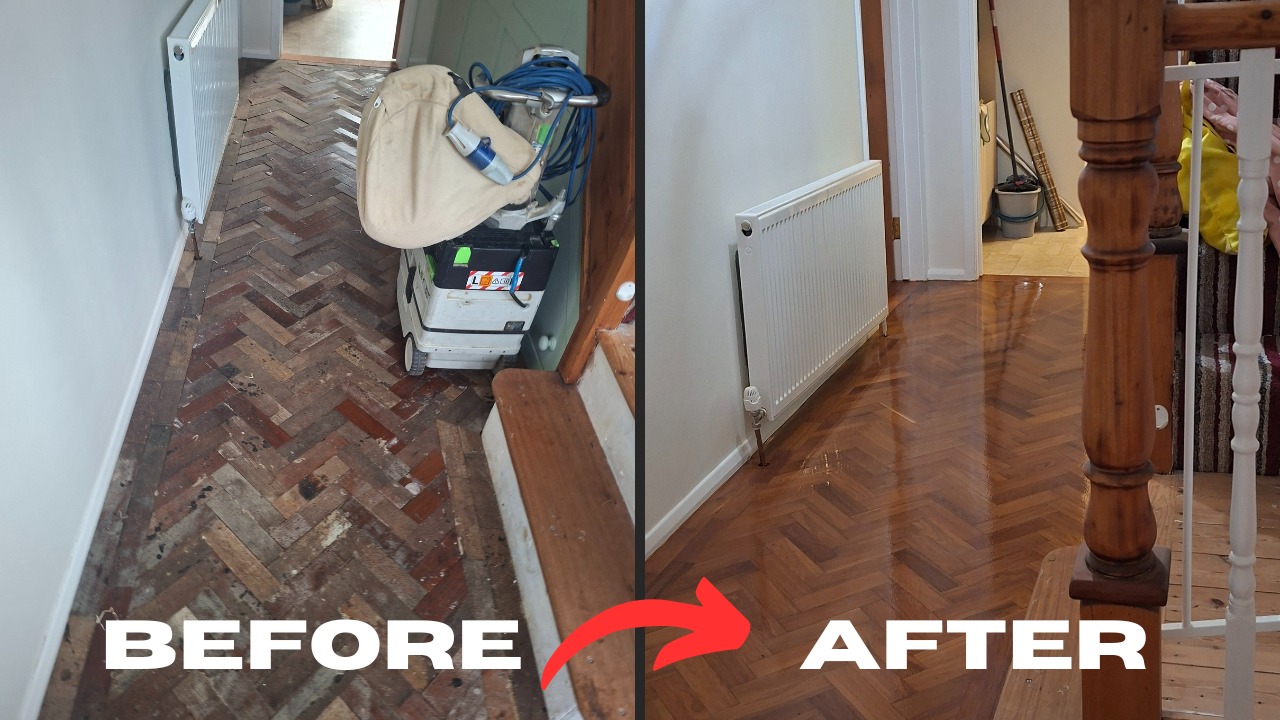
Parquet Floor Sanding for Classic and Modern Homes
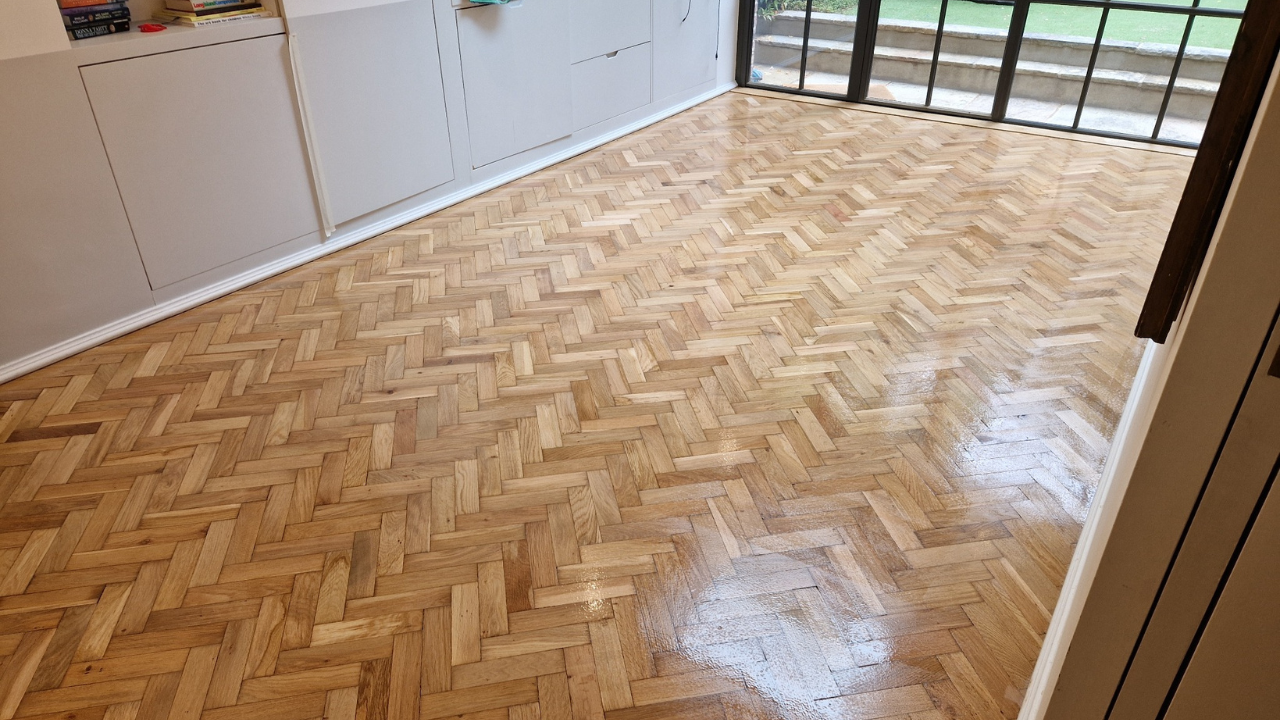
Parquet flooring is one of the most beautiful features you can have in a London home – but only if it’s cared for properly. In many properties across South West London, those intricate herringbone and chevron patterns are hiding under dull, scratched, or yellowed finishes.
The good news? With expert parquet floor sanding in South West London, you can bring those sharp lines and rich grain back to life – without dust clouds, drama, or days of disruption.
This guide explains exactly how professional parquet floor sanding works, what to expect, and why using a specialist South West London team is the difference between a flawless luxury finish and a costly mistake.
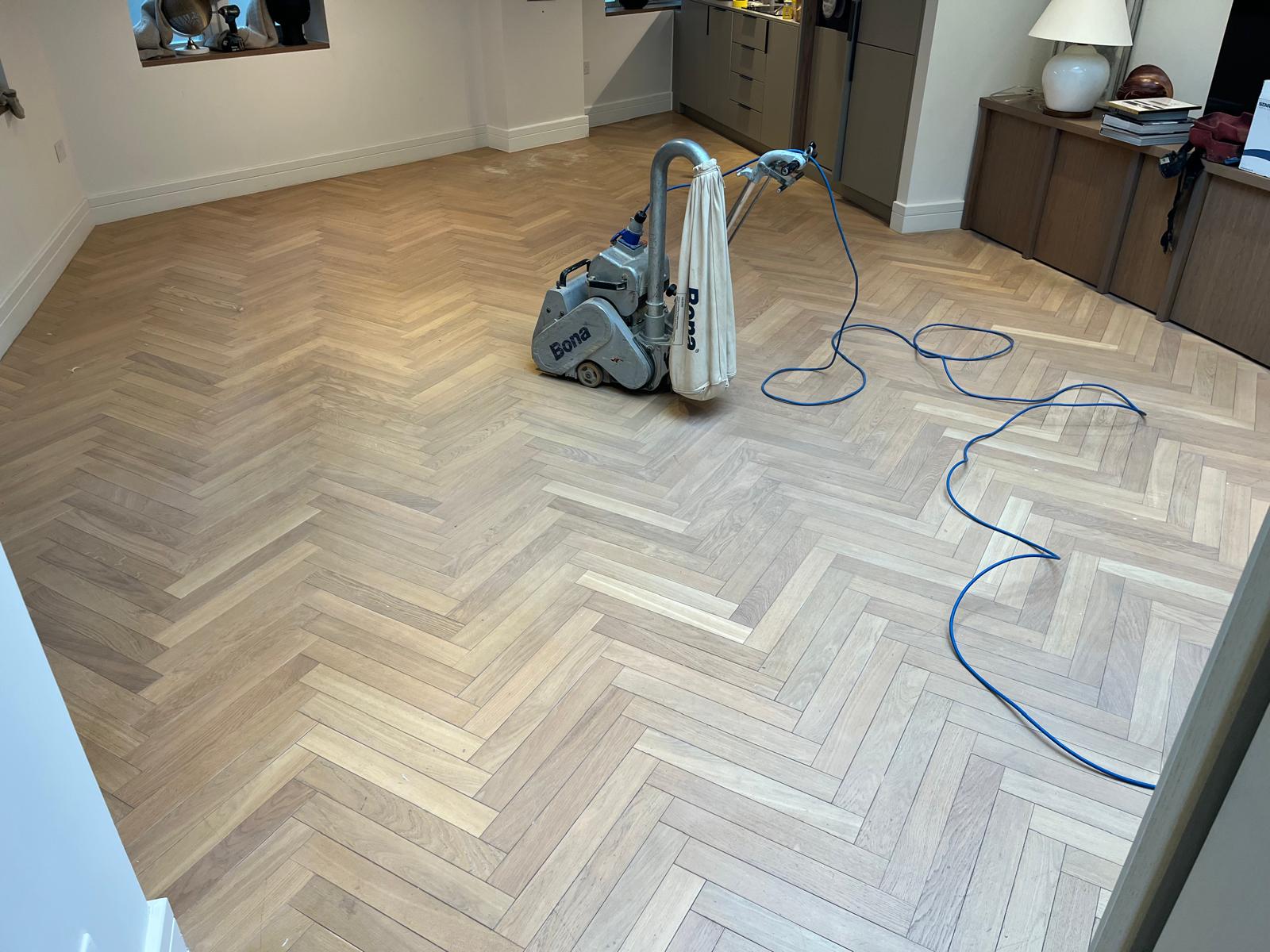
Why Parquet Floors Need Specialist Sanding
Parquet isn’t just “another wooden floor”. It’s a floor made up of many small individual blocks laid in patterns such as:
- Herringbone
- Chevron
- Basket weave
- Versailles panels
Each block has its own grain direction. That’s what creates the beautiful geometric effect – but it also makes parquet much more demanding to sand than straightforward floorboards.
If someone uses the wrong machine, runs it in the wrong direction, or takes off too much wood, you can end up with:
- Blurred, uneven pattern lines
- Dish marks and swirl scratches
- Ridges between blocks
- Exposed tongues and weakened joints
That’s why parquet needs a team used to working on solid and engineered boards, parquet and herringbone blocks in every type of property – homes, shops, offices, schools and more.
A specialist South West London floor sanding crew understands how to respect the pattern, protect the structure, and still achieve a perfectly smooth, modern, luxury finish.
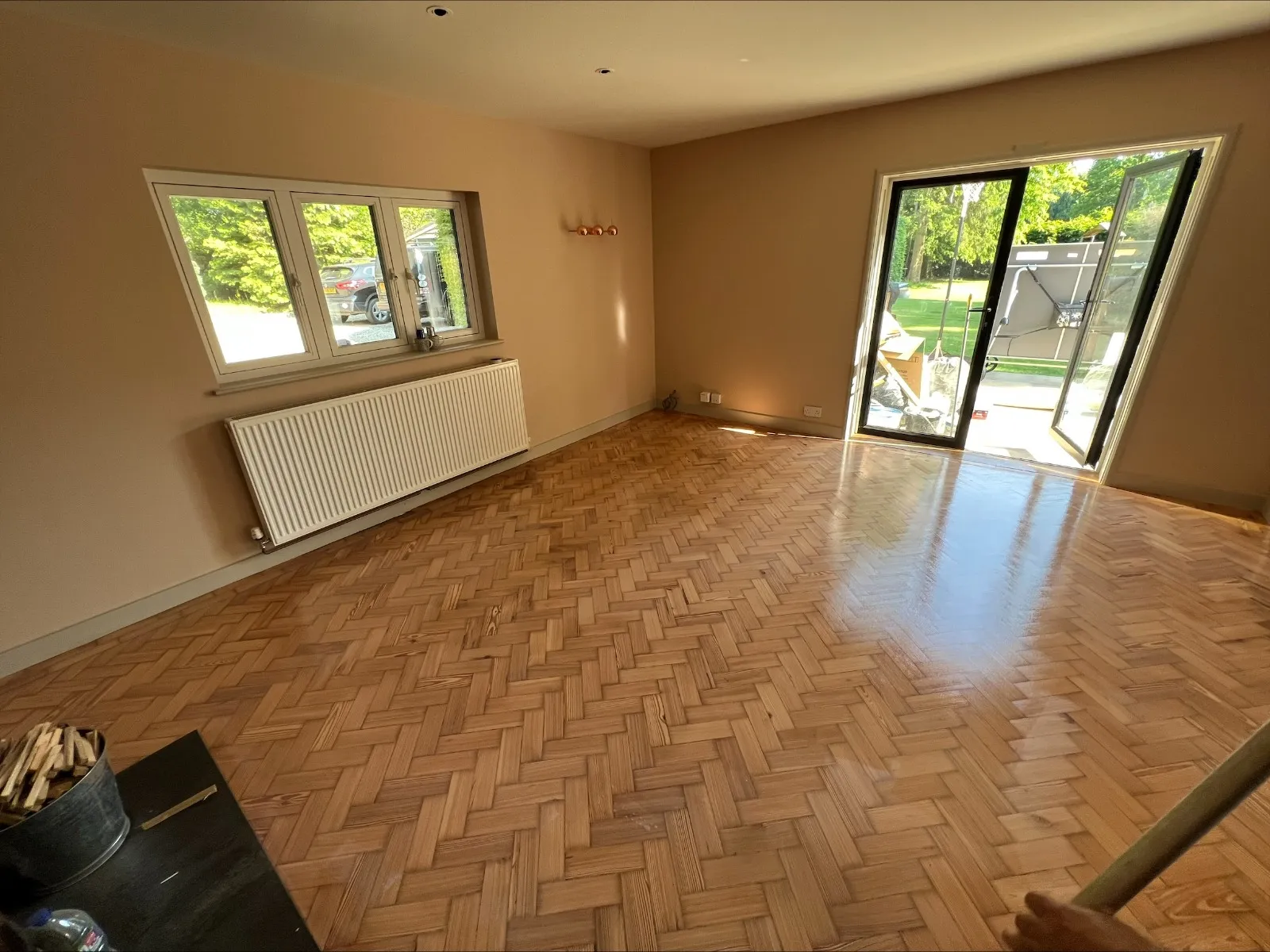
What Is Parquet Floor Sanding?
Parquet floor sanding is the process of carefully removing the old layers of lacquer, varnish, wax, or oil, taking the surface back to clean, bare timber – and then refinishing it so the natural grain and pattern are highlighted again.
On a typical project in South West London, parquet floor sanding includes:
- Repairing loose, damaged, or missing blocks
- Filling gaps to stabilise the floor and reduce draughts
- Multiple sanding stages with progressively finer grits
- Edge and corner work where big machines can’t reach
- Optional staining to change or deepen the colour
- Oiling, hardwaxing or lacquering for long-term protection
When it’s done by experienced wood floor restoration specialists, you’re not just “sanding a floor” – you’re restoring a feature that can add serious value to your home.
The South West London Parquet Sanding Process – Step by Step
Every property is different, but here’s what you can generally expect when you book professional wood floor sanding for parquet in South West London.
1. Initial survey and advice
A technician inspects your parquet to check:
- The overall condition of the blocks
- Signs of historic repairs, bitumen, or previous sanding
- Any cracked, loose or missing pieces
- Moisture issues or signs of movement
You’ll then get honest advice on what your floor really needs – from simple parquet floor sanding and sealing to more involved repairs and gap filling.
2. Preparation and repairs
Before the machines even start:
- Loose blocks are lifted, re-bonded and levelled
- Damaged pieces are replaced with matching reclaimed parquet where possible
- Protruding nails or screws are punched below the surface
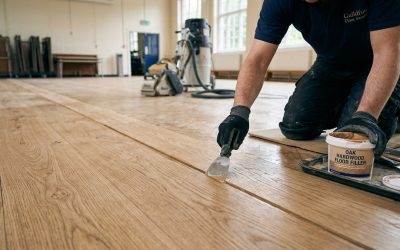
- Gaps are filled using resin and fine dust from your own floor or with slender timber strips, depending on the size and style of the gaps
This stage is essential for achieving those “sharp lines” later – a beautifully sanded floor with poor preparation will still look second-rate.
3. Main parquet floor sanding
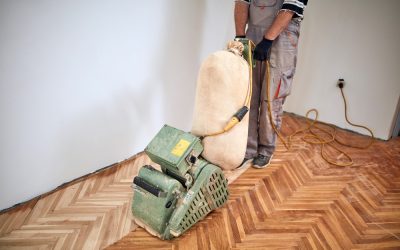
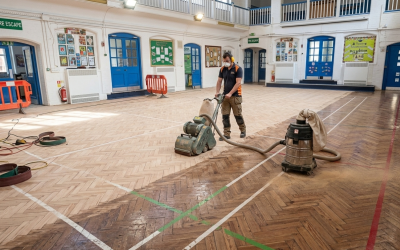
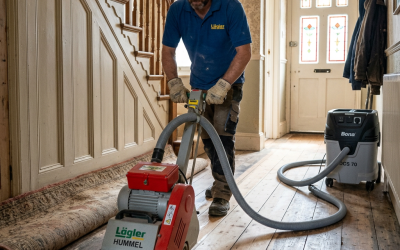
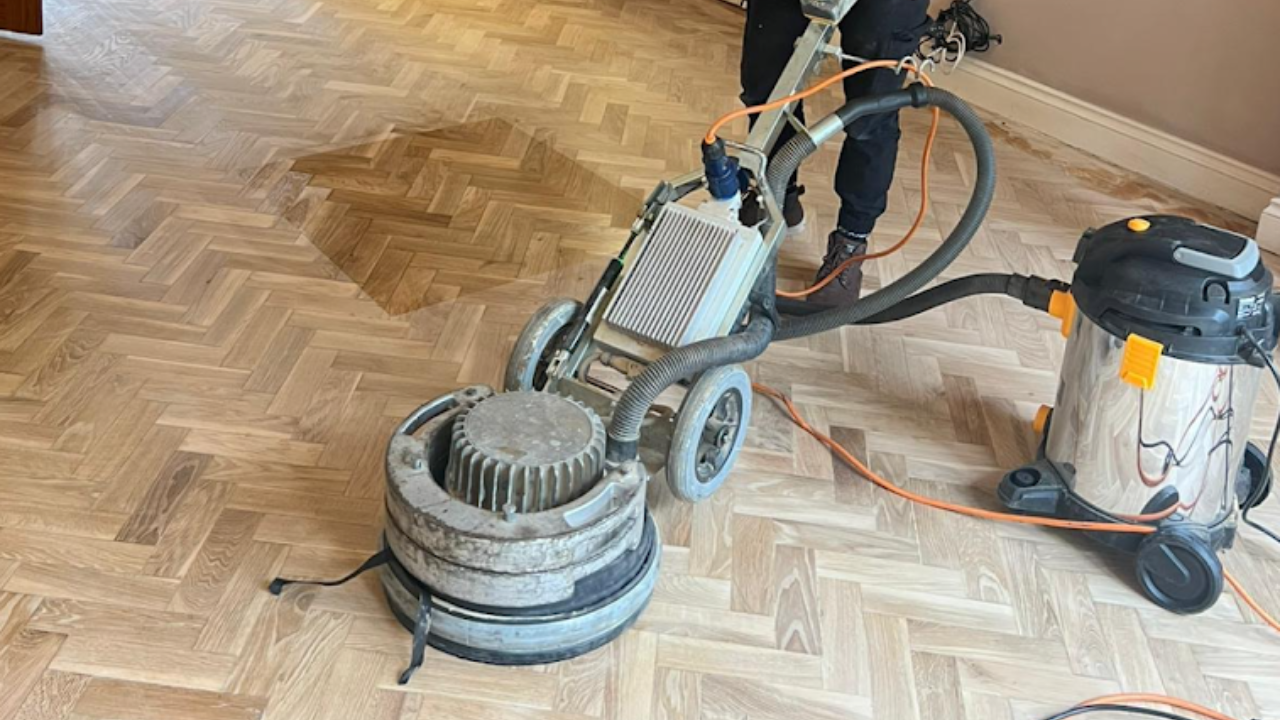
Now the real transformation starts. Using professional-grade cylinder sanding machines, the team works across the parquet in a controlled pattern, usually on a diagonal to respect the changing grain.
On the South West London site, the team specifically highlight their 99% dust-free sanding using modern cylinder machines, which means far less airborne mess for you and your home.
The floor is sanded through several grits, gradually refining the surface until the pattern is crisp again and scratches are removed.
4. Edges, corners and tricky areas
Big machines can’t reach every part of a room – especially around fireplaces, bay windows, under radiators and along skirting boards.
That’s where specialist edging and corner tools come in. A good parquet restoration team will:
- Blend edge sanding seamlessly into the main field
- Avoid “picture framing” where the border looks darker or lighter
- Check every corner by hand so nothing is missed
5. Fine sanding and buffing
Once the heavy work is done, the floor is screened and buffed with finer abrasives. This:
- Removes small swirl marks
- Smooths joint lines between parquet blocks
- Prepares the surface so it accepts stain and finish evenly
It’s this stage that really brings out the “rich grain” – the natural character of the timber becomes clear before any finish is even applied.
6. Staining (if desired)
Not every parquet floor needs staining. Many South West London homes choose to keep the original oak tone and simply update the finish.
However, if you want to:
- Warm up a pale room
- Tone down an orange or yellow old finish
- Match new parquet to existing rooms
…then a professional wood floor staining and refinishing service can help. Test patches are applied first so you can see exactly how the colour will look in your own light.
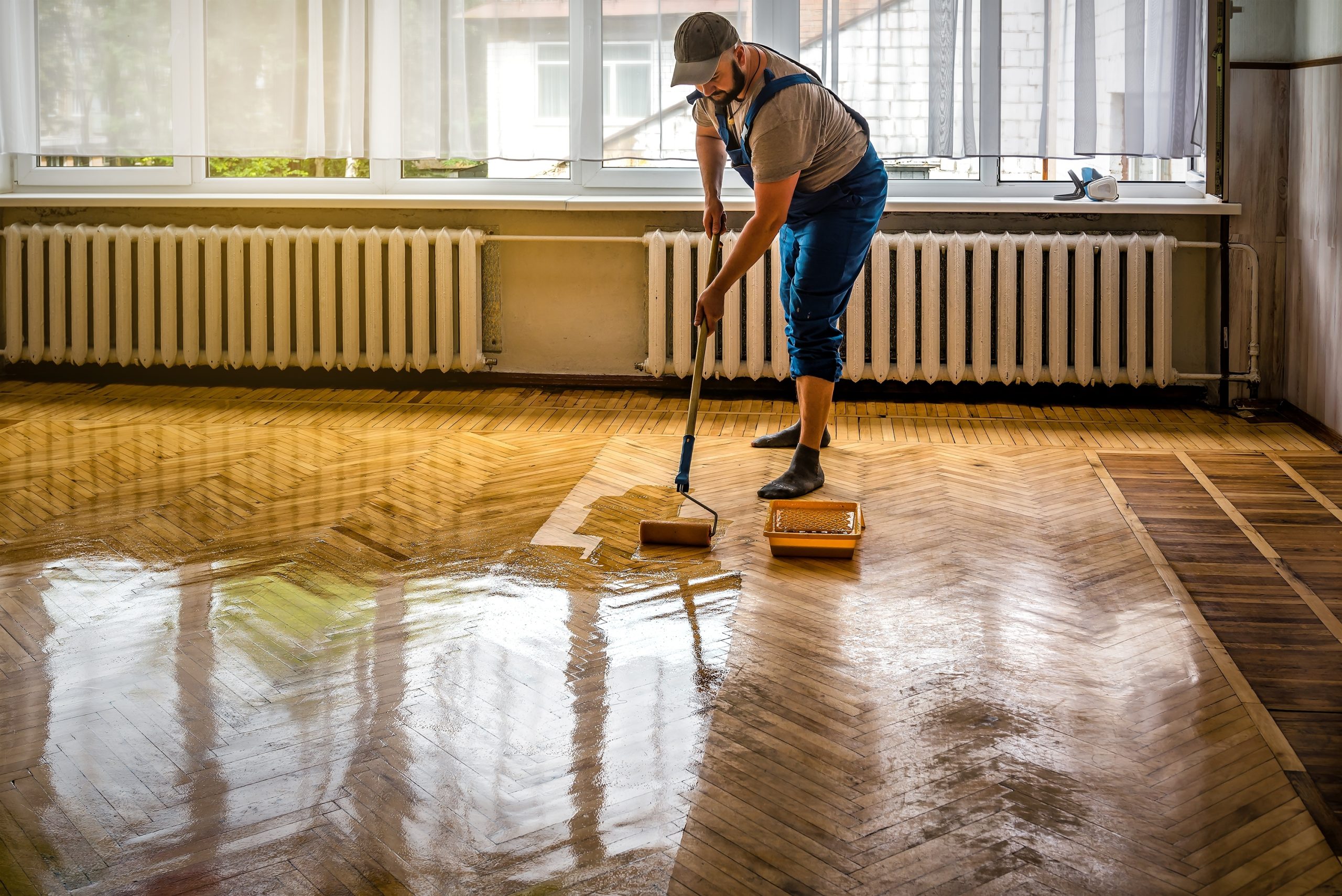
7. Finishing – lacquer, oil or hard wax
Finally, the floor is protected with high-quality finishes such as modern lacquers or natural oils and hard waxes. Multiple coats are applied, with light de-nibbing between each, to build a tough but elegant surface.
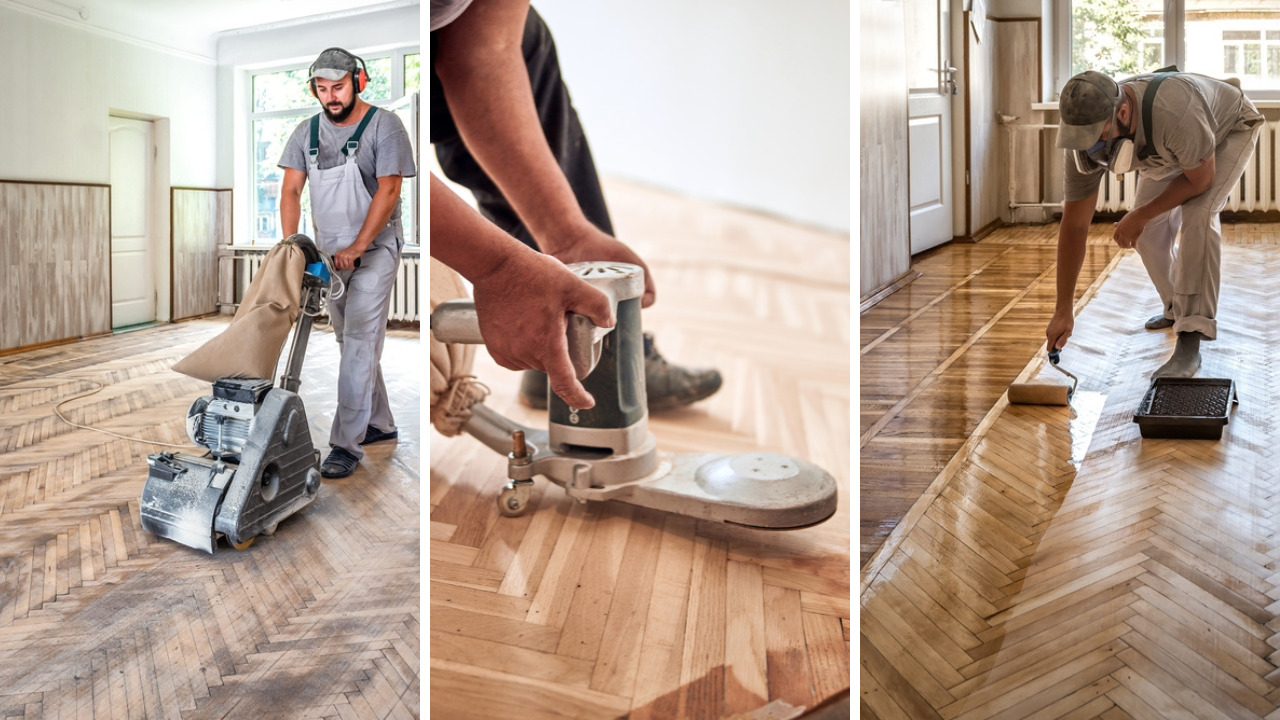
Sharp Lines, Rich Grain – Getting the Details Right
Parquet looks expensive because of the details. To achieve the “luxury interiors” feel, the sanding and finishing must respect those details, not blur them away.
Here’s what the right South West London floor sanding team pays close attention to:
Perfectly defined pattern
- Consistent sanding pressure so no area is over-sanded
- No cross-grain tearing, which would leave the pattern fuzzy
- Careful work around borders and inlays so the framing lines stay crisp
Clean, crisp edges
The eye is drawn to the edge of a parquet pattern. That’s why neat lines along skirting boards and thresholds matter just as much as the centre of the room.
Professionals will undercut or carefully sand right up to the edge so you don’t see:
- Fat beads of sealant covering clumsy gaps
- Dark ridges where the big machine didn’t quite reach
- Chipped or bruised block edges
Rich, even colour
Poor technique shows up most clearly once the finish goes on – especially on oak. The right preparation and dust control ensure:
- No white lines between blocks
- No patchy, cloudy areas from trapped dust
- No dull patches where the finish hasn’t bonded properly
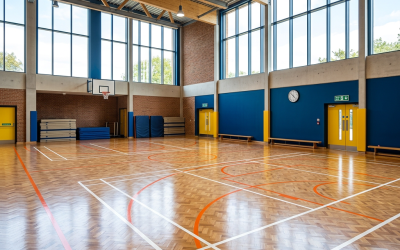
The result? The grain glows, the pattern jumps, and your parquet looks “designer” rather than “DIY”.
Choosing the Best Finish for Busy South West London Homes
Your lifestyle should drive your finish choice just as much as your style preferences.
Lacquer (varnish) – durable and low maintenance
Modern lacquers are:
- Very tough and scratch-resistant
- Ideal for busy family homes, hallways and kitchens
- Available from matt through to high gloss
If you like that bright, gallery-style look – or need a hard-wearing surface for high-traffic rooms – a quality lacquer is often the right option.
Hardwax oil – warm and repairable
Hardwax oils soak into the wood and sit partly on the surface, giving a more natural, “in-the-wood” look. They are:
- Ideal if you prefer a softer sheen
- Easier to patch-repair in small areas
- Great for highlighting grain variation in parquet
They’ll usually need more regular light maintenance than lacquer, but many homeowners feel the warmth and character are worth it.
Colour options
With both lacquer and oil, you can choose from:
- Natural clear finishes
- Subtle tints (e.g. white, grey, amber)
- Deep tones for a more dramatic, boutique-hotel feel
A professional parquet floor sanding service will show you samples and test patches so you don’t have to guess.
How Long Does Parquet Floor Sanding Take?
Timescales depend on room size, condition and finish choice, but for most South West London homes you can use these rough guides:
- Small hallway or box room: 1 day
- Average lounge or dining room: 1–2 days
- Large through-lounge or open-plan space: 2–3 days
Drying times vary between finishes, but you’ll usually:
- Walk in socks after 4–8 hours
- Move light furniture back after 24–48 hours
- Leave heavy items and rugs for several days to avoid marking the fresh finish
A reputable wood floor sanding and restoration team will schedule the work to minimise disruption – and because this company offers 24/7 assistance, they can help you plan around even the busiest family or work schedule.
Where We Work in South West London
Parquet floors are everywhere across South West London – from period mansion flats to Edwardian terraces and modern apartments. Typical areas include:
- Battersea, Clapham and Wandsworth
- Putney, Barnes and Roehampton
- Wimbledon, Raynes Park and Southfields
- Balham, Tooting and Streatham
- Richmond, Twickenham and surrounding neighbourhoods
If your home or business is within South West postcodes, chances are the South West London Floor Sanding team has already restored parquet on your street.
Why Choose South West London Floor Sanding for Parquet?
There are plenty of general tradesmen willing to “have a go” at parquet. But this website represents a specialist floor sanding company established since 1993, focusing entirely on wood floors in the local area.
Here’s what sets them apart:
1. Decades of experience
With over twenty years of floor sanding and restoration under their belt, the team has worked on every kind of wooden floor, including parquet and herringbone blocks, in homes, shops, restaurants, schools and offices.
That experience shows in the speed, efficiency and confidence with which they handle even badly neglected parquet.
2. 99% dust-free sanding
The company uses modern cylinder machines that deliver 99% dust-free sanding, hugely reducing mess and disruption compared to traditional equipment.
Your furniture, walls and belongings stay far cleaner – and you don’t spend weeks finding fine dust in every corner.
3. Complete service – from repairs to finishing
You’re not just booking parquet floor sanding South West London; you’re booking a complete restoration service that includes:
- Repairs and replacement of damaged blocks
- Gap filling and sub-floor checks
- Staining and colour-matching
- Protective finishes tailored to your lifestyle
All of this is clearly reflected in their service descriptions – they emphasise repairing damaged timber, filling missing areas with matching boards or blocks, sanding back to bare wood, staining and refinishing with oils, hard wax or lacquer.
4. Local, accessible and easy to contact
The company is based in SW15 and offers 24/7 assistance, with a simple contact form and phone line on the site.
When you’re entrusting a major feature of your home to someone, it’s reassuring to know they’re established, local and easy to reach if you have questions.
5. Proven results and happy customers
The homepage features multiple 5-star testimonials, praising the team’s professionalism, dust-free process, competitive pricing and high-quality craftsmanship.
That kind of social proof matters when you’re choosing a parquet floor sanding specialist in South West London.
Looking After Your Parquet After Sanding
Once your parquet has been beautifully restored, a little care goes a long way towards keeping it looking sharp and luxurious.
Daily and weekly care
- Use a soft-bristle broom or vacuum with a hard-floor attachment
- Wipe up spills straight away to avoid moisture damage
- Avoid soaking the floor – use a damp (not wet) microfibre mop
Protection from dents and scratches
- Fit felt pads to chair and furniture legs
- Use mats at exterior doors to trap grit
- Avoid dragging heavy furniture across the floor
Periodic maintenance
- Refresh lacquered floors with a compatible maintenance product as advised
- Re-oil hardwaxed floors when they start to look dry or patchy
- Consider a light buff and re-coat every few years rather than waiting until the finish is completely worn away
Your chosen wood floor restoration team can explain exactly what your specific finish needs – and many homeowners simply set a reminder to book a quick check-up before any serious wear appears.

FAQs – Parquet Floor Sanding South West London
Will sanding remove all the scratches and stains?
In most cases, yes. Parquet floor sanding removes the old finish and a very thin layer of wood, which takes away surface scratches, most dents and many stains. Very deep damage or black water marks may not disappear completely, but a specialist can often minimise them or disguise them with carefully chosen stain.
Is parquet floor sanding very messy?
With older, hire-shop machines it can be extremely dusty. However, this South West London company uses modern, professional-grade equipment with effective dust extraction, advertising 99% dust-free sanding.
You’ll still need to remove small items and protect anything very delicate, but you shouldn’t be wading through drifts of dust.
Can you sand engineered parquet as well as solid?
Yes – as long as there’s a sufficient wear layer of real wood on top. Your technician will measure this during the survey. Many engineered parquet floors in South West London have been successfully sanded and refinished several times.
How noisy is the work?
Floor sanding machines are fairly loud while they’re running, but they’re not used continuously all day. Most neighbours in flats or terraced houses are used to occasional renovation noise; your team can also agree sensible working hours with you.
Do I need to move all my furniture out?
For the best results, the room should be as clear as possible. Many clients move small items themselves and ask the team to help with larger pieces on the day. If that’s difficult, you can usually phase the work (for example, one half of a room then the other) – just ask when you request your quote.

Ready to Reveal the Sharp Lines and Rich Grain in Your Parquet?
If your parquet floor in South West London is looking tired, dull or badly scratched, you don’t need to cover it with carpet or replace it. With expert parquet floor sanding South West London, those beautiful patterns can be restored to a standard that matches the rest of your luxury interior.
- The pattern lines become crisp again
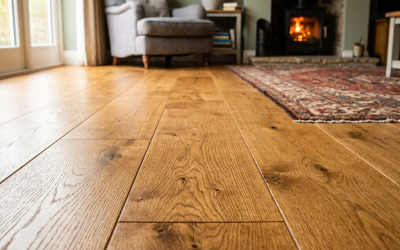
- The grain glows with character
- The finish is smooth, modern and easy to clean
- Your room instantly feels brighter, bigger and more high-end
To get started, contact the local specialists directly through their website at South West London Floor Sanding or call them on 0800 335 7565 for a free assessment and quote.
Let the experts handle the sanding, repairs and finishing – and enjoy parquet floors that finally look as sharp and luxurious as the rest of your home.